
Boy God

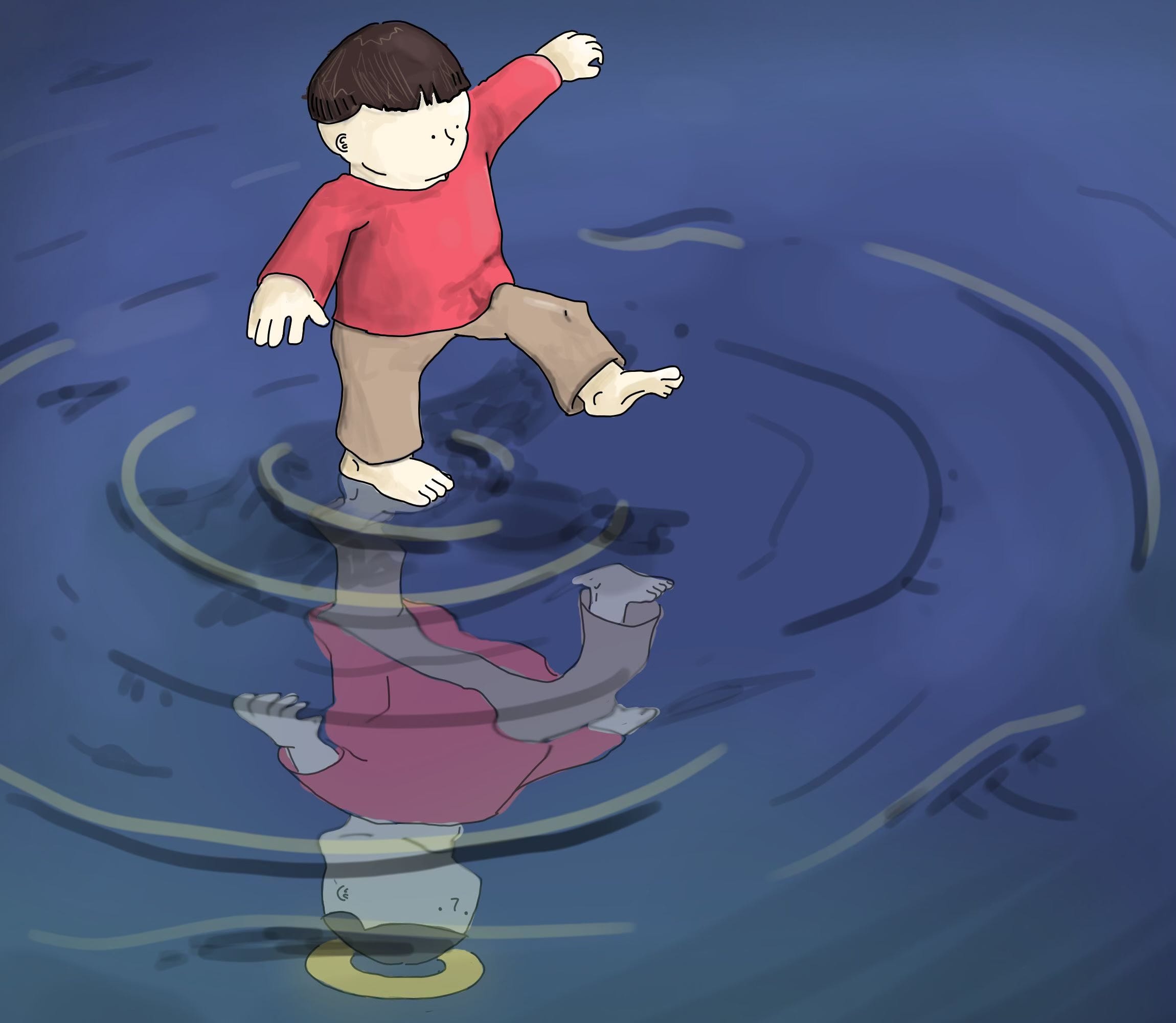
The Childhood of Jesus was to have a blank cover, and a blank title page; only when they reached the end would readers learn the novel’s name. But J. M. Coetzee was overruled by the publishing industry—thankfully, for I cannot imagine finishing this strange story without the interpretive frame the title provides.
A middle-aged man and a boy arrive, as refugees, in a foreign land. Their memories have been “wiped clean”—how or why is never explained—and they have been given new names: Simón and David. Their new country is at once a u- and a dys-topia: everyone is kind, for the most part, but distantly, impersonally so; while Simón must find work, many things, including housing, are provided free by the government; yet the whole society is drained of passion and aspiration. Simón’s encounters with the local residents, all of whom seem also to have arrived as refugees, are frustrating and inconclusive. If these episodes are hard to care about, Simón’s mission to reunite the boy with his mother drives the plot and draws our attention. He has no information to go on, barely knows the boy and has never met the mother, but he insists he will know her when he sees her. And indeed when he spies a woman named Inés playing tennis through a fence, he is sure. Sounding insane, he attempts to explain his conviction. She asks, ‘Where are his parents?’, and he responds: